
)
My niece is only six. She knows her way round an iPad better than my parents ever will, but last Christmas she asked for a Tamagotchi. Not an app version, not an ironic gift, a proper, beeping, pixel-egg Tamagotchi, the type I once circled in the Argos catalogue. I laughed, assumed it was a joke, then watched her pull up a video of someone playing with one online. She'd never owned one. She wasn't even born when they peaked. She just wanted it.
That's the moment nostalgia in retail stopped being an abstract trend story for me and became something I could see, sitting at my parents' old kitchen table.
Why is a generation that's never known life without Wi-Fi drawn to the past?
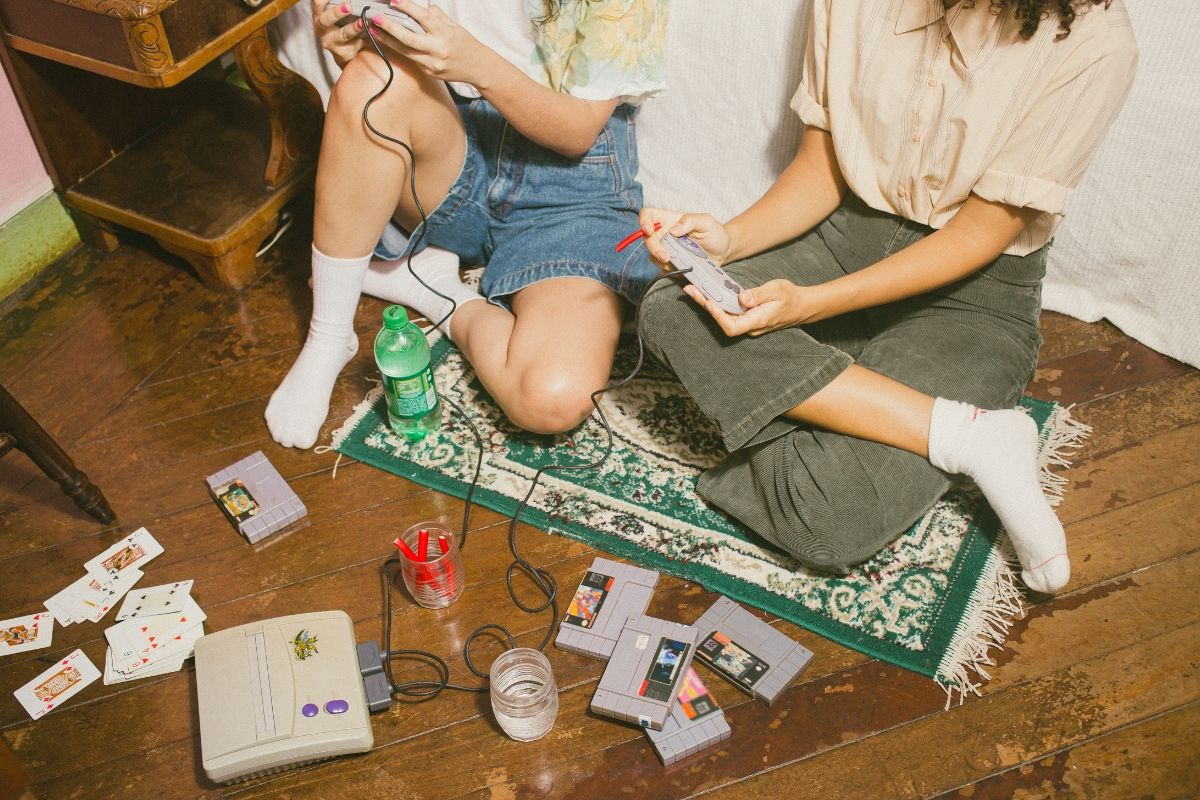
It sounds back to front: the most digitally fluent generation in history reaching for disposable cameras, vinyl, dumbphones and Y2K denim. But that's the point. A recent study from the Archbridge Institute found that 68% of Gen Z respondents feel nostalgic for eras before their own lifetime, with three quarters saying they're actively drawn to the media, styles and hobbies of decades they never lived through.
Psychologists have a word for this: anaemoia, a longing for a past you didn't experience firsthand, usually inherited second-hand through archive clips and mood boards rather than lived memory. The appeal isn't really the products themselves. It's what they represent: something unfiltered in a world of curated feeds. Separate industry research puts the figure even higher, with two thirds of Gen Z respondents reporting genuine emotional attachment to eras they never experienced firsthand, a pattern researchers call "borrowed nostalgia".
Is nostalgia a genuine retail strategy, or just a marketing gimmick?
What's interesting from where I sit is how this plays out commercially. Brands that lean into imperfection, grainy film, faded packaging, old logos, tend to read as more trustworthy to Gen Z than the polished, minimalist branding that dominated the 2010s, largely because it signals a brand has survived long enough to have a history worth referencing. Polaroid's resurgence, mini retro games consoles and even soft drink brands quietly reviving nineties-style logos all sit on the same shelf.
Marketing writer Kian Bakhtiari's analysis makes a similar point: Gen Z aren't rejecting technology, they're using it to rediscover comfort from before their own time. The trick brands need to get right, he argues, is balancing genuine throwback feeling with present-day relevance. Get the era wrong, or ignore the less inclusive parts of the past, and the backlash can be swift.
For independent retailers across gift, fashion, garden and interiors, that's a genuinely useful brief. This isn't about wheeling out a "vintage" sticker and calling it a day. It's about specific, well-chosen cues, a typeface, a colour palette, a packaging format, paired with a product that still does its job brilliantly in 2026.
What does the nostalgia trend actually look like on the shop floor?

In fashion, that's showing up as Y2K denim, slip dresses and chunky trainers re-entering boutique rails, something worth reading alongside our piece on how Coachella's 2026 trends are filtering down to independent fashion retailers. In gift, it's disposable cameras, retro stationery and pin badges doing brisk business alongside the more values-led lines covered in our guide to eco-friendly gifting. In interiors, it's the return of chunky ceramics, sunshine yellow and homeware that wouldn't look out of place in a nineties catalogue, while in garden it sits alongside the broader shift towards outdoor space as a retail category rather than a seasonal afterthought.
The common thread is that none of these buyers are guessing. They're sourcing carefully, watching how social commerce is reshaping discovery, and treating nostalgia as a category to be curated rather than a costume to be worn wholesale.
How can independent retailers source nostalgia-led stock without overcommitting?
If you're an independent buyer wondering where to actually find this stock, the honest answer is the same place you'd find most new ranges: a proper wholesale sourcing event. UK trade shows remain the fastest way to see hundreds of retro-leaning ranges side by side rather than scrolling supplier websites one at a time, whether that's a clothing trade show stocked with Y2K-adjacent labels, a wholesale gift show full of nostalgic stationery, or a homeware trade show where retro ceramics and seventies-style lighting sit on the same stand as next season's bestsellers.
This is one of the reasons Birmingham has quietly become a fixture on the independent retail calendar. Autumn Fair, heading back to the NEC Birmingham 6-9 September 2026, brings together hundreds of home, gift, garden and fashion exhibitors under one roof, and it's exactly the kind of setting where small, retailer-focused brands with a retro edge tend to surface first, often before they've built much of a presence online. For retailers weighing up which UK wholesale gift suppliers or wholesale home decor suppliers to back for next season, a single visit can do the work of weeks of separate supplier meetings.
For smaller stores in particular, that face-to-face sourcing matters. You can hold the product, ask the supplier about minimum order quantities, and gauge whether something is a genuine slow-burn or a fad that'll have faded by Easter, judgement calls that are much harder to make from a product feed alone.
The bottom line
Gen Z isn't rejecting modernity. They're tired of it being the only option. For retailers willing to source thoughtfully rather than chase the trend wholesale, nostalgia isn't a gimmick, it's one of the more durable reasons a customer might choose your shop over an algorithm's suggestion. My niece, for what it's worth, is already saving up for a film camera next.
If you like what you've seen here, why not join us in-person for the retail event of the season? Autumn Fair runs from 6-9 September 2026 at the NEC, Birmingham, co-locating with Glee on 8-10 September. Register for free here, and join our newsletter for the latest updates before the show.
Featured Articles
- 1 5 Stunning Homeware Suppliers you Need to Know About
- 2 Celebrating Inspiring Women in Retail: Spring and Autumn Fair's Commitment to Championing Women in Retail
- 3 UK Retail Insights 2025: Consumer Caution and Selective Spending
- 4 Theo Paphitis: Small Businesses, Big Impact
- 5 A Fireside chat with Olivia Bowen and Keplin CEO Ray Mehra
)
)
)
)
)
)
)
)
)
)
)
)
)