
)
Every spring, the same conversation lands in design professionals' inboxes across the UK. The light shifts, the days lengthen, and clients who were perfectly content with their homes and workplaces in January are suddenly itching for change. "It just feels heavy," they say. "Cluttered." "Like it needs something."
What they're describing isn't always a design problem. Often, it's a decluttering problem, and knowing how to lead clients through that process before reaching for anything new is one of the most valuable skills any design professional can offer. Get the edit right first, and every sourcing and specification decision that follows becomes sharper, more considered, and easier to justify.
Why the Declutter Conversation Belongs in Your Process
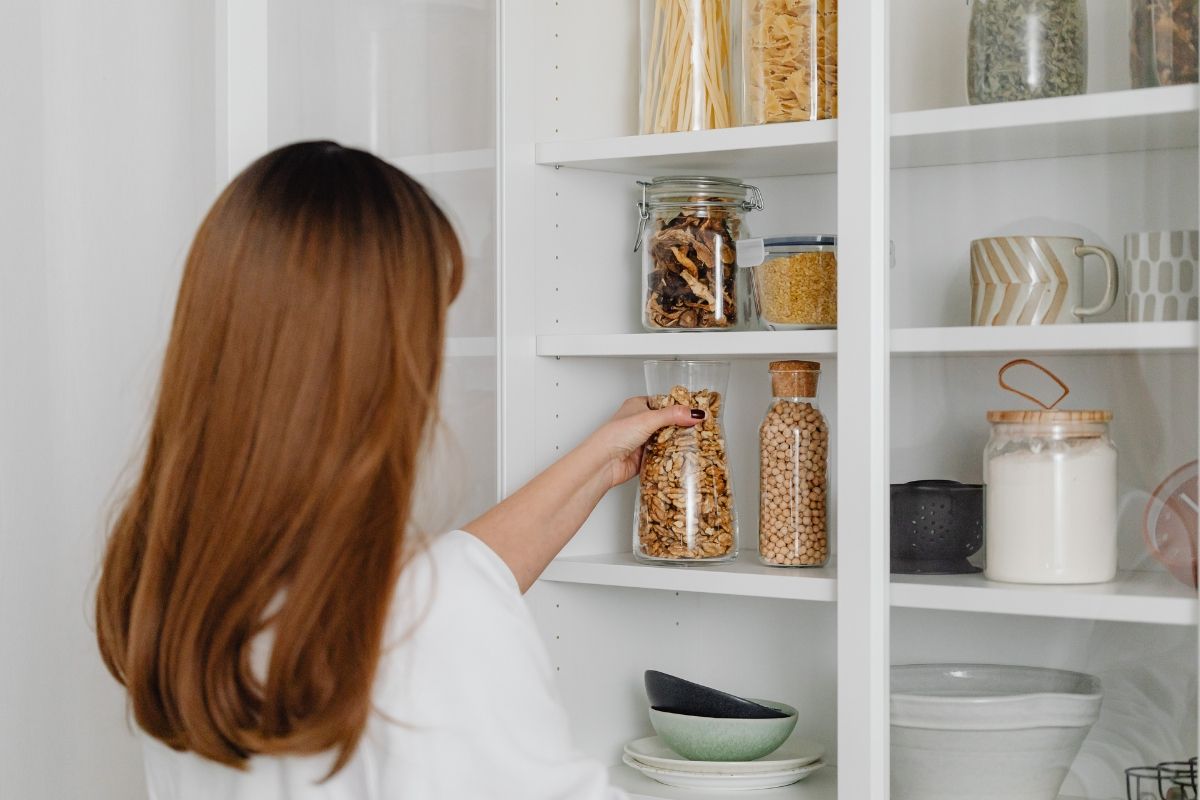
Whether you're an interior designer, architect, stylist, or design consultant, clients increasingly want guidance on how to live and work in their spaces, not just how they look. The spring reset is one of the clearest entry points for that wider conversation.
Research from Princeton University confirmed what most design professionals already know intuitively: visual clutter measurably impairs focus and creates low-level psychological stress. A space that feels "off" to a client is often simply overfull. Before any new piece can land properly, before it can be seen, felt, and appreciated, the environment around it has to breathe.
This is also a commercially smart conversation to have. Clients who declutter first arrive at the sourcing and specification stage with a genuine brief. The gaps are specific. The needs are real. And they are far more likely to invest meaningfully in what comes next, because they understand exactly what they're commissioning and why. For sustainable suppliers and independent makers supplying the design trade, this is precisely the client they want, intentional, informed, and ready to spend on quality.
A Framework for Leading Clients Through the Edit
Not all clients will have approached their space critically before. Many will find the process emotionally charged, particularly in long-established homes or workplaces where objects carry memory, habit, and professional identity. Having a clear, repeatable framework makes the conversation easier to lead, and also positions you as the expert guiding the process, not simply reacting to it.
Stage one: the full clear. Ask clients to remove everything from the surfaces, shelves, and storage areas under review. Not some things, everything. This does sound drastic, but it's the only way to make honest decisions. Handling each object forces a genuine assessment that simply looking at it in situ does not.
Stage two: the three-category edit. Keep (it's functional, beautiful, or genuinely meaningful), donate or rehome (it's good quality but no longer right for this space), discard (it's tired, broken, or past its purpose). Tools like the Freecycle Network and local charity donation services make the rehoming process feel responsible rather than wasteful, an important note for clients who are conscious about sustainability.
Stage three: the design brief. With the space cleared, sit with the client and look at what remains. What's working? What's absent? What does this space need to do that it currently doesn't? The answers to these questions should drive every sourcing and specification decision that follows.
This process is worth building formally into your client onboarding, particularly for spring refresh projects. It sets expectations, demonstrates expertise, and creates a clear decision trail that protects both parties further down the line.
What to Source and Specify: Key Categories for the Spring Refresh
Once the edit is done and the brief is clear, here's where the strongest opportunities sit across the key product categories right now.
Storage That Earns Its Place
The most consistent post-declutter client request, whether in a residential living room or a studio workspace, is for storage that doesn't look like storage. Clients who have just removed a pile of functional but unloved containers are not interested in replacing them with more of the same. They want pieces that organise life and belong in the space: hand-thrown ceramic vessels, woven rattan baskets, lacquered wood boxes, solid brass trays.
This crossover between storage and decorative object is one of the most dynamic areas in current wholesale housewares buying, as seen at Spring Fair 2026 where the gift and home categories have increasingly converged. For design professionals advising retail clients on their buying, or sourcing directly for residential projects, this category is worth prioritising. Look for makers who understand both functions, pieces that solve a practical problem whilst holding their own aesthetically. The best of these tend to come from independent craft producers.
Scent as the Final Layer
Once a space has been physically and visually cleared, fragrance becomes the primary atmospheric layer, and clients feel the difference immediately, even if they can't articulate why. Spring is the natural moment to refresh a space's scent identity: lighter, more botanical, less heavy than the amber and woodsmoke notes of winter.
The wholesale wellbeing market has matured considerably in recent years, and the quality available through independent makers is genuinely excellent — essential oil diffusers, hand-poured natural wax candles, botanical room sprays, linen waters. Seek out producers who can speak clearly about their ingredients and sourcing. For design-conscious clients, the story behind a product matters as much as the product itself.
Textiles: Seasonally Considered
Spring is the most important textile moment of the year for any design professional working across interiors, styling, or residential specification. The transition from heavy winter weaves to linen, washed cotton, and natural fibres in warm neutral palettes is a high-impact, relatively accessible way to shift the feeling of a space, and clients respond well because the result is immediately visible.
The quality conversation has moved decisively into the mainstream. Clients across all budget levels are now asking where textiles were made and what they contain. Ecommerce tech news consistently reports that online research for interiors purchases peaks in spring, meaning clients arrive at appointments better informed — and with sharper questions about material provenance, than ever before. Being ready to answer those questions with confidence is part of the value you bring.
The Living Element
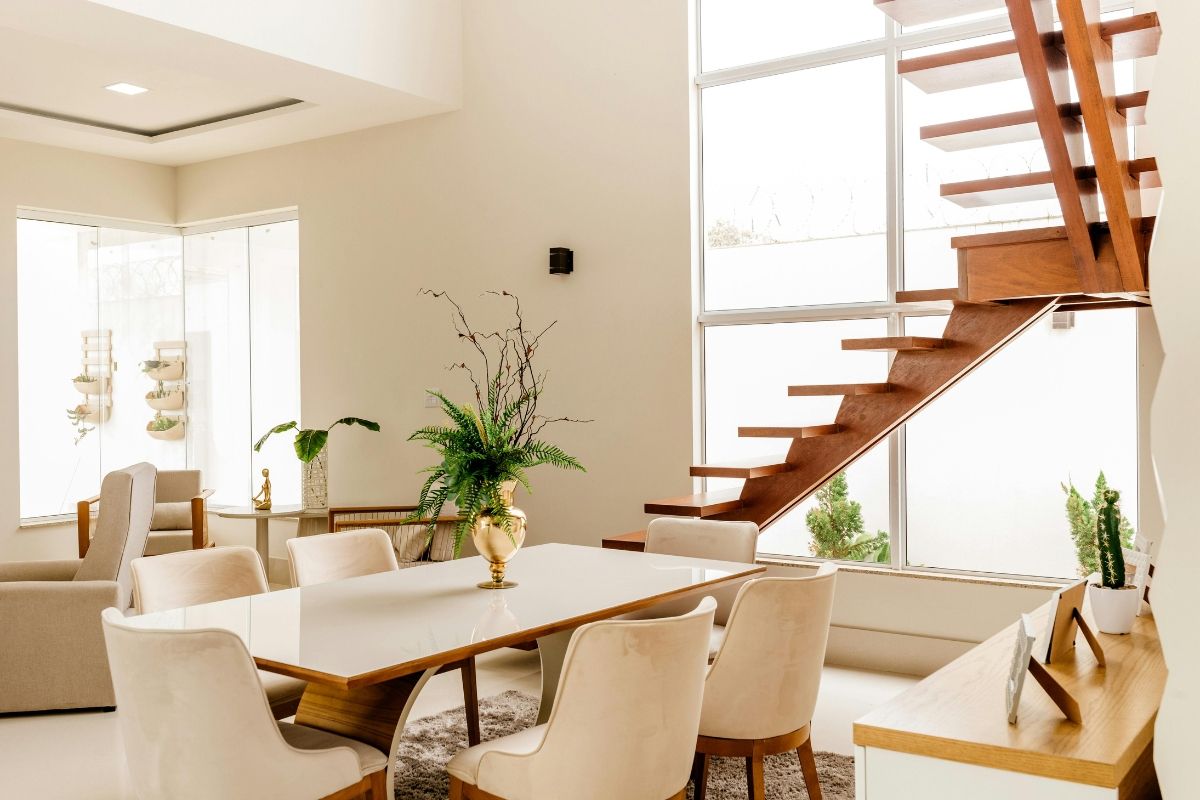
No spring refresh is complete without something alive. The blurring of indoor and outdoor environments continues to define how clients across residential and commercial design think about their spaces. Sculptural plants in considered pots, trailing varieties on architectural shelving, botanical prints referencing the outdoors, all serve the same spatial function. After a declutter removes visual noise, a well-placed living element reintroduces just enough organic complexity to stop a space feeling sterile.
The indoor-outdoor category has expanded significantly in response to this demand, with wholesale floral ranges and garden-to-interior crossover products now commonplace in trade sourcing. It's a category worth exploring seriously if your work spans both environments.
Discover what's driving garden and outdoor buying over at Glee→
Advising Retail Clients: How Design Professionals Can Add Value Beyond the Project
Many design professionals maintain close working relationships with independent retailers; advising on visual merchandising, range curation, or simply recommending stockists to clients. If that's part of your practice, the spring refresh cycle is a significant opportunity to add value to those relationships.
Encourage retailers to sell the edit, not the accumulation. The post-declutter shopper arrives in a subtractive mindset. Retail environments that reflect that, tight, well-curated ranges rather than broad, shallow ones, resonate far more strongly with the spring customer. A beautifully edited display with three exceptional objects communicates more than a fully stocked shelf, and it makes for far stronger social media for retail content too.
According to Hootsuite's Social Trends research, styled lifestyle content consistently outperforms product photography across Instagram and TikTok. That finding is directly relevant to independent retailers whose spring window displays and social content can mirror the pared-back, considered aesthetic their design-literate customers are actively seeking at home and at work.
Brief retail clients on the provenance conversation. The clients that design professionals refer to independent stockists are likely to ask where something was made, what it's made from, and whether it will last. Retailers who can answer those questions fluently will convert those referrals into loyal customers. Those who can't, will lose them to a quick online search.
The Sustainability Conversation Design Professionals Are Best Placed to Lead
The decluttering movement and the sustainability movement are expressions of the same cultural shift, a collective pushback against decades of disposable product and the visual and environmental cost it creates. Design professionals, by virtue of their influence over purchasing decisions, are better placed than almost anyone to lead clients through both conversations simultaneously.
Clients who have just cleared their spaces of things they never truly needed are already receptive to a different kind of commissioning conversation. Not "what's new?" but "what will still be right in a decade?" Handmade, locally produced, repairable, and recyclable, these are no longer niche considerations. They are mainstream decision drivers across residential, commercial, and retail design, and the spring refresh cycle is one of the moments when they are most front of mind.
For design professionals working with sustainable retailers and building considered sourcing into their practice, this is the most commercially aligned moment of the year. The brief is already there. The client is already primed. The work is in meeting them with the right products, the right stories, and the confidence to slow the decision down when it matters most.
The Final Feather Duster
A spring refresh done well is one of the most satisfying projects any design professional can take on, precisely because the starting point is subtraction rather than addition. Lead clients through a clear edit, build a specific brief from what remains, and source or specify with genuine intention, and everything that follows improves: better outcomes, more satisfied clients, and longer-term professional relationships built on expertise rather than transaction.
The season is short. Use it well.
Inside Retail is the year-round content destination for Spring Fair, Autumn Fair, Glee. Built upon practical insight, trend intelligence, and business advice for the UK's independent retail community.
Featured Articles
- 1 5 Stunning Homeware Suppliers you Need to Know About
- 2 Celebrating Inspiring Women in Retail: Spring and Autumn Fair's Commitment to Championing Women in Retail
- 3 UK Retail Insights 2025: Consumer Caution and Selective Spending
- 4 Theo Paphitis: Small Businesses, Big Impact
- 5 A Fireside chat with Olivia Bowen and Keplin CEO Ray Mehra
)
)
)
)
)
)
)
)
)
)
)
)
)